
As smoke-free nicotine pouches gain momentum for 2025, many are curious about zyn levels and how to navigate these choices. Understanding zyn levels is crucial for anyone seeking a satisfying, tailored nicotine experience without smoke or vapor. This essential guide breaks down what zyn levels mean, how they impact your health, and the best way to select the right strength for your lifestyle. We will cover comparisons, safety tips, and the latest trends, ensuring you make informed, confident decisions. Ready to unlock the facts and master your nicotine journey? Let’s get started.
Understanding Zyn Levels: What They Are and Why They Matter
Nicotine pouches have transformed the way people approach tobacco-free alternatives. At the heart of this innovation are zyn levels, a concept that shapes how users experience and manage nicotine intake. Understanding zyn levels is essential for anyone considering or currently using Zyn products, as it directly affects satisfaction, safety, and lifestyle compatibility.
Defining Zyn Levels and Nicotine Strengths
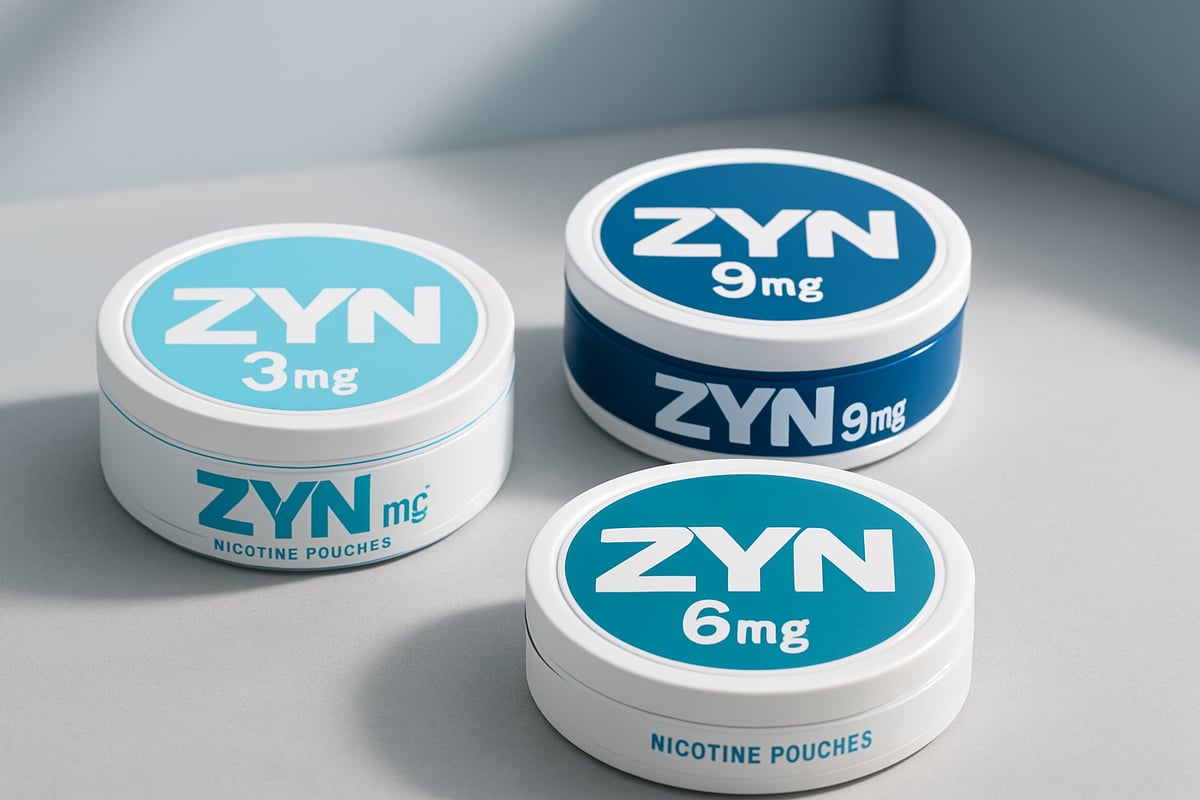
Zyn levels refer to the amount of nicotine contained in each pouch, typically measured in milligrams (mg). The most common zyn levels are 3mg, 6mg, and, in some markets, 9mg per pouch. These strengths offer a spectrum of experiences, from mild to robust, allowing users to match their needs and preferences.
Selecting the right zyn levels depends on individual nicotine tolerance and previous usage. For instance, a beginner might find the 3mg option more comfortable, while an experienced user could prefer the 6mg or 9mg pouch. The difference between Zyn 3mg and 6mg is notable, as the higher level delivers a stronger and longer-lasting effect. To explore the full range of strengths, visit the Zyn nicotine pouch collection for detailed product options.
Why Zyn Levels Are Important for Users
Choosing the correct zyn levels has a direct impact on satisfaction and the ability to manage cravings. The right level can help reduce the urge to smoke, making it a supportive tool for those looking to quit cigarettes. Using an appropriate strength also lowers the risk of overconsumption, which can lead to unwanted side effects.
Customizing nicotine intake to suit different lifestyles is a major benefit of zyn levels. Some users report higher satisfaction at moderate strengths, while others prefer lower levels for occasional use. Surveys indicate that most users find their ideal balance after some experimentation, highlighting the value of personalized selection.
The Science Behind Nicotine Absorption in Pouches
Nicotine from Zyn pouches is absorbed through the oral mucosa, which differs from the rapid lung absorption experienced with smoking. The bioavailability of nicotine in pouches is generally lower, but the effect is smoother and more sustained. With zyn levels, the onset of effects can vary—typically, a 3mg pouch takes effect within minutes and lasts about an hour, while a 6mg option may provide longer relief.
Clinical studies suggest that the absorption curve for lower zyn levels rises steadily, whereas higher strengths produce a quicker, more pronounced peak. This difference helps users select the right product based on their desired intensity and duration.
Common Misconceptions About Zyn Levels
Several myths persist around zyn levels. One common misconception is that higher mg always means greater satisfaction. In reality, satisfaction often depends on matching the level to personal needs. Another source of confusion is the difference between mg per pouch and mg per can, which can lead to misinterpretation of product strength.
Some believe that lower zyn levels are entirely risk-free, but safety depends on usage habits and individual sensitivity. Misreading labels or misunderstanding packaging information can result in incorrect usage. For example, new users might mistakenly consume more pouches, thinking lower strengths are harmless.
How Zyn Levels Compare to Other Nicotine Products
When comparing zyn levels to traditional cigarettes, vaping, or snus, differences in nicotine delivery and experience become clear. Cigarettes deliver nicotine rapidly and often in higher doses, while zyn levels allow for precise, controlled intake. Vaping offers more variable strengths, but absorption can fluctuate.
A typical cigarette contains about 10–12mg of nicotine, with only a portion absorbed. In contrast, a 6mg Zyn pouch delivers a consistent amount each time. Many users switch to Zyn for the predictability and discretion it provides, as well as the absence of smoke or vapor.
Zyn Level Options: A Complete Breakdown for 2025
As the demand for smoke-free nicotine alternatives grows, understanding zyn levels is more important than ever. In 2025, users have access to a range of strengths, each designed to cater to different preferences and needs. Zyn levels refer to the amount of nicotine per pouch, typically measured in milligrams. Most markets offer 3mg, 6mg, and the recently introduced 9mg options. Regional variations exist, with some European countries offering only lower strengths due to regulatory limits.
The introduction of higher zyn levels, such as 9mg, has been met with positive feedback from experienced users seeking a stronger effect. According to user surveys, satisfaction rates tend to increase when individuals find their optimal level. If you are interested in comparing zyn levels to other high-strength options, explore this comprehensive Guide to nicotine pouch strengths for additional insights.
Overview of Zyn Strengths on the Market
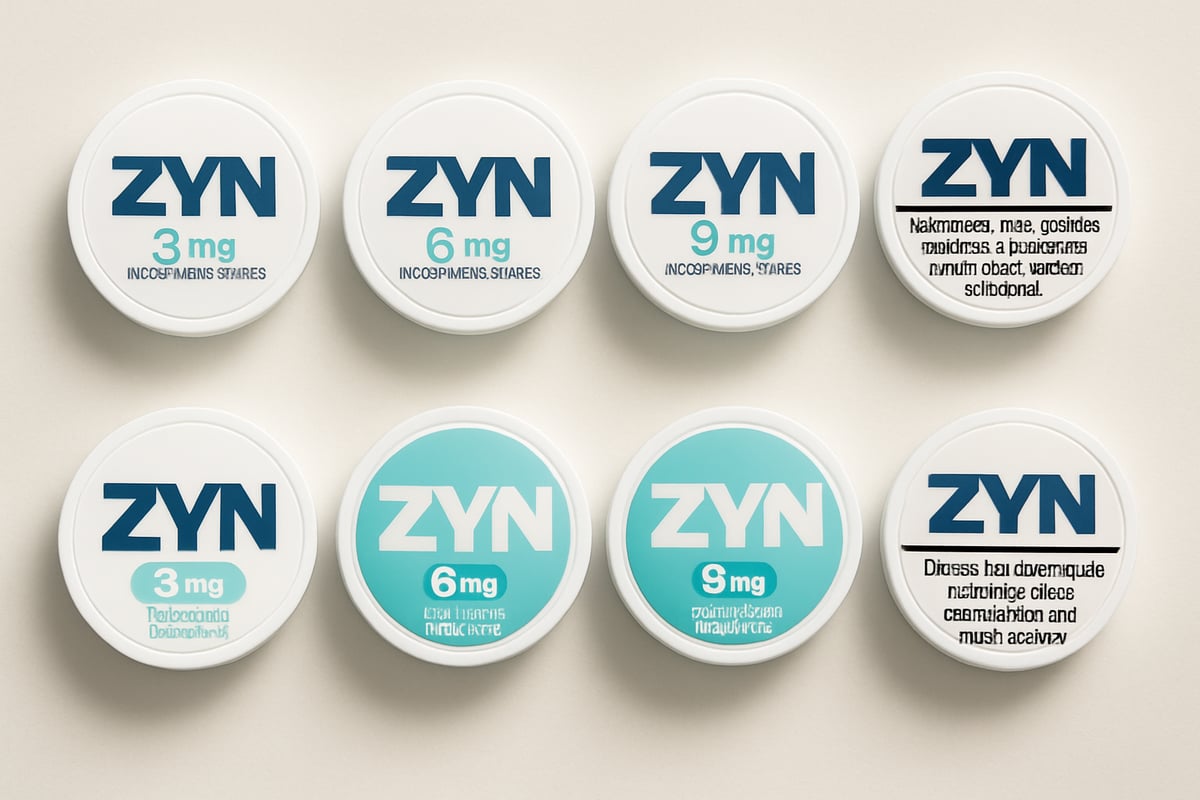
Zyn levels are available in several strengths to suit a diverse user base. The standard offerings include 3mg for lighter needs and 6mg for moderate users. In 2025, 9mg pouches have gained traction among those with higher nicotine tolerance. Regional differences persist, with the US market providing a wider range of zyn levels, while some EU countries restrict maximum strengths due to regulatory requirements.
Recent trends show a growing interest in the 9mg option, especially among former smokers and experienced pouch users. This expansion reflects a broader shift toward personalized nicotine experiences. Zyn continues to innovate by testing new strengths, responding to evolving consumer preferences and feedback.
Choosing the Right Zyn Level for Your Needs
Selecting the appropriate zyn levels starts with assessing your personal nicotine tolerance and goals. If you are new to nicotine pouches or are transitioning from lighter products, beginning with a 3mg pouch is often recommended. This allows you to gauge your response and minimize the risk of overconsumption.
For those aiming to quit smoking, matching zyn levels to your previous cigarette usage can provide a smoother transition. Gradually stepping down from higher strengths, such as moving from 6mg to 3mg, is a proven strategy for reducing dependence. Consider your daily routine and cravings when determining the best level for your lifestyle.
Flavor and Level Pairings: Does Strength Affect Taste?
Zyn levels not only influence the nicotine experience but can also alter how flavors are perceived. Higher nicotine strengths, like 6mg and 9mg, may intensify the throat sensation and slightly mute sweeter notes in flavors such as citrus or berry. Conversely, lower zyn levels, like 3mg, often allow more nuanced flavor profiles to shine.
Popular pairings include Mint 3mg, favored by beginners for its refreshing taste, and Citrus 6mg for those seeking a bolder kick. User reviews consistently report that flavor enjoyment varies with strength, emphasizing the importance of matching your taste preferences with suitable zyn levels.
Packaging, Labeling, and Safety Information
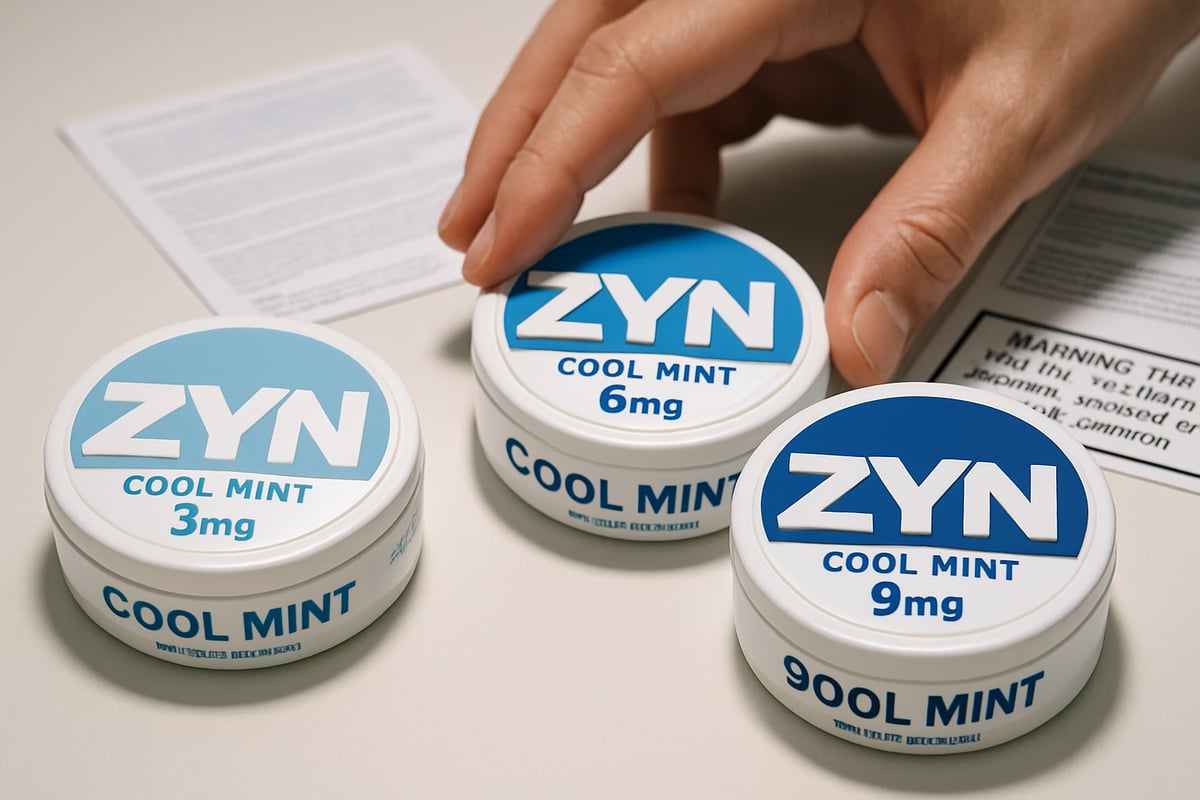
Zyn levels are clearly displayed on each pouch can, ensuring users can easily identify their chosen strength. Packaging features include bold numerical indicators, color-coded labels, and tactile elements for quick recognition. Safety is a priority, with child-resistant lids and clear usage instructions included.
Manufacturers adhere to strict regulatory standards, especially as new labeling requirements are introduced for 2025. These updates ensure that all zyn levels carry appropriate warnings and dosage recommendations, supporting informed and responsible use.
User Demographics and Level Preferences
The appeal of zyn levels spans a wide demographic, from young adults seeking smoke-free alternatives to older individuals transitioning away from traditional tobacco. Data from 2024 and 2025 indicate that 3mg remains the top choice for new users, while 6mg and 9mg are favored by ex-smokers and experienced pouch consumers.
Trends show ex-smokers tend to start at higher zyn levels before stepping down as their tolerance adjusts. Recent surveys highlight that satisfaction is highest when users align their chosen strength with their nicotine history and lifestyle needs.
Price Differences and Value Considerations
Zyn levels impact the overall cost of usage, with higher strengths sometimes commanding a slight premium. Multi-pack deals and bulk discounts offer additional value, especially for frequent users. When comparing price per milligram of nicotine, heavier users may find 9mg pouches more economical per dose, while occasional users benefit from 3mg or 6mg packs.
| Zyn Level | Average Price per Can | Nicotine per Can | Price per mg Nicotine |
|---|---|---|---|
| 3mg | $4.00 | 42mg | $0.095 |
| 6mg | $4.50 | 84mg | $0.054 |
| 9mg | $5.00 | 126mg | $0.040 |
Ultimately, choosing the right zyn levels balances satisfaction, health considerations, and budget.
Health, Safety, and Regulatory Considerations
Navigating the world of zyn levels means understanding their health implications, safe usage, and the ever-evolving regulatory landscape. Each strength offers unique benefits and risks, making it essential to select the right option for your needs. Let us explore the key considerations that every user should know.
Health Impacts of Different Zyn Levels
The health effects of zyn levels depend largely on the amount of nicotine per pouch. Lower strengths (3mg) may reduce the risk of side effects like nausea or dizziness, while higher levels (6mg, 9mg) can increase both satisfaction and the potential for adverse reactions. Short-term effects include elevated heart rate and blood pressure, while long-term use may contribute to nicotine dependence.
Recent studies indicate that using nicotine pouches is less harmful than smoking, but not risk-free. For a comprehensive overview, see Health Effects of ZYN Nicotine Pouches. Users aiming for harm reduction often choose lower zyn levels to balance cravings and minimize health risks.
Who Should Use Which Zyn Level?
Choosing appropriate zyn levels is critical for safety and satisfaction. Beginners or those with low nicotine tolerance should start with 3mg pouches, while experienced users or recent ex-smokers might prefer 6mg or 9mg. People with heart conditions, pregnant individuals, or youth should avoid all nicotine products, including Zyn.
Doctors recommend matching zyn levels to your nicotine history. If you are reducing nicotine intake, opt for lower strengths and gradually decrease usage. Always consult a healthcare provider if you have underlying health concerns or are unsure about the best level for your needs.
Regulatory Changes Impacting Zyn Levels in 2025
In 2025, regulations for zyn levels are tightening in the US and EU. The FDA now requires clearer labeling of nicotine content and enforces limits on maximum strengths allowed per pouch. In the EU, some countries propose restricting sales of higher-level pouches to adults only.
Manufacturers must comply with updated packaging standards, including child-resistant features and prominent health warnings. These changes aim to protect consumers and discourage misuse, particularly among minors. Stay informed about new laws in your region to ensure safe and legal use of zyn levels.
Safe Usage Guidelines and Avoiding Overconsumption
To use zyn levels safely, monitor your daily intake and recognize signs of nicotine overdose like headaches, nausea, or rapid heartbeat. Health experts recommend limiting consumption based on pouch strength: for instance, no more than 8–10 pouches of 3mg per day, and fewer for higher strengths.
Store Zyn products out of reach of children and dispose of used pouches responsibly. If you experience adverse effects, stop use immediately and seek medical advice. Following these guidelines helps prevent overconsumption and supports responsible use of zyn levels.
Addressing Addiction and Dependence Risks
Understanding the addiction potential of zyn levels is vital for long-term well-being. Nicotine is inherently addictive, and higher strengths increase the risk of dependence. Strategies to manage intake include gradually stepping down to lower levels or using support resources.
If you wish to quit or reduce usage, track your consumption, set clear goals, and seek help from healthcare professionals or support groups. Data shows that many users successfully taper off zyn levels with a structured plan, demonstrating that informed choices make a real difference.
How to Transition Between Zyn Levels: A Step-by-Step Guide
Transitioning between different zyn levels is a process that requires awareness, planning, and consistency. Whether you want to reduce your nicotine intake, find the optimal strength, or simply explore options, following a structured approach can make the journey smoother and more effective.
Step 1: Assess Your Current Nicotine Use
Begin by evaluating your current nicotine habits. Track how many pouches or other nicotine products you use daily, and note the zyn levels you typically choose. Understanding your baseline helps you identify patterns and set realistic goals for change.
Compare your previous nicotine sources (such as cigarettes or vaping) to your current zyn levels. Make a simple table to visualize your intake:
| Product Type | Daily Use | Nicotine per Unit | Total Nicotine (mg) |
|---|---|---|---|
| Cigarettes | 10 | 1.2 | 12 |
| Zyn 6mg | 5 | 6 | 30 |
Recognize signs that you may need to adjust zyn levels, such as increased cravings, headaches, or feeling unsatisfied.
Step 2: Setting Goals for Nicotine Consumption
Decide whether your aim is to quit, reduce, or maintain your current zyn levels. Setting clear, achievable goals gives you direction and motivation. Consider your lifestyle, health, and reasons for changing zyn levels.
Set a realistic timeline for reaching your goal. For example, if you are at 6mg and plan to move to 3mg, give yourself a few weeks to adapt. If you are new to nicotine pouches or interested in lighter options, explore resources like Light nicotine pouches explained for guidance on beginner-friendly zyn levels.
Write down your goals and keep them visible to reinforce your commitment.
Step 3: Making the Switch—Best Practices
When transitioning between zyn levels, consider whether you prefer a gradual or immediate change. Many users find it easier to step down in stages, mixing two strengths for a period before fully switching.
For example, alternate between 6mg and 3mg pouches throughout the day as you adjust. Monitor your cravings and side effects closely. If you experience intense cravings or discomfort, slow the transition and allow your body more time to adapt to new zyn levels.
Stay mindful of your reasons for change and maintain consistency in your approach.
Step 4: Managing Withdrawal and Cravings
Reducing zyn levels may lead to withdrawal symptoms like irritability, restlessness, or increased cravings. Prepare strategies to manage these challenges.
Consider non-nicotine aids such as sugar-free gum, herbal teas, or engaging in physical activity. Joining a support group or discussing your plan with friends can provide encouragement. Keep a list of healthy distractions for moments when cravings intensify.
Remember, managing withdrawal is a normal part of adjusting zyn levels. Patience and persistence are key to long-term success.
Step 5: Tracking Progress and Adjusting as Needed
Keep a usage journal to monitor your zyn levels, satisfaction, and cravings over time. Note any changes in mood, energy, or side effects.
Evaluate your progress weekly. If you consistently feel satisfied with lower zyn levels, consider maintaining or reducing further. If cravings persist, reassess your timeline or seek professional advice.
Adjust your strategy as needed to stay on track with your goals. Tracking progress not only keeps you accountable but also celebrates each milestone achieved.
Comparing Zyn to Other Nicotine Pouch Brands in 2025
As nicotine pouches continue to gain traction, understanding how zyn levels compare to other brands is crucial for making informed choices. Users now have more options than ever, and the landscape in 2025 features strong competition among leading nicotine pouch brands. Below, we break down the key differences and similarities across the most popular options.
Zyn vs. Major Competitors: Strengths and Weaknesses
Zyn levels are often the benchmark for nicotine pouches, but brands like Velo, On!, Rogue, and Nordic Spirit offer their own strengths. Zyn provides a focused range of 3mg, 6mg, and 9mg options, while Velo and On! typically offer 2mg, 4mg, and 6mg. Nordic Spirit and Rogue expand with additional flavors and limited editions.
Comparison Table: Strength and Flavor Range
| Brand | Strengths (mg) | Flavors Available |
|---|---|---|
| Zyn | 3, 6, 9 | 10+ |
| Velo | 2, 4, 6 | 12+ |
| On! | 2, 4, 8 | 8+ |
| Rogue | 3, 6, 8 | 7+ |
| Nordic Spirit | 3, 6, 9 | 6+ |
User satisfaction often depends on flavor variety and nicotine strength. Zyn levels are praised for consistency, while competitors may appeal to those seeking more variety or specific flavor profiles.
Nicotine Level Equivalency Across Brands
Comparing zyn levels to those of other brands can be challenging, as absorption rates and pouch design affect the nicotine experience. A Zyn 6mg pouch may deliver a similar effect to a Velo 6mg, but differences in formulation and moisture can impact bioavailability.
Many users transitioning from Zyn to other brands look for medium strength nicotine options to match their preferred experience. Some report smoother onset with Zyn, while others find Velo or Rogue delivers a quicker kick. Ultimately, personal preference and individual tolerance play a major role.
Flavor Selection and Sensory Experience
Zyn levels are closely tied to flavor perception. Higher strengths may mute subtle flavors, while lower levels let mint, citrus, and coffee notes shine. Zyn is known for clean, straightforward flavors, but Velo and On! experiment with unique blends like dragon fruit and berry.
User reviews highlight that Zyn’s mint at 3mg is refreshing and mild, while Rogue’s honey lemon at 6mg offers a bolder taste. Nordic Spirit’s menthol is favored for freshness. The sensory experience varies not just by brand but by the chosen zyn levels.
Price, Availability, and Value
Cost is a vital factor for nicotine pouch users. Zyn levels are priced competitively, with single cans typically ranging from $4–$6 in the US. Multi-pack deals and bulk discounts are common across brands, making value assessment important for regular users.
| Brand | Average Price/Can | Multi-Pack Savings |
|---|---|---|
| Zyn | $4.50 | Yes |
| Velo | $4.75 | Yes |
| On! | $4.25 | Yes |
| Rogue | $4.60 | Yes |
| Nordic Spirit | $5.00 | Yes |
Availability varies by region, with Zyn and Velo widely distributed in the US and EU. According to Nicotine Pouch Market Trends 2025, product diversity and pricing are expected to remain key factors driving user loyalty.
Packaging, Discreetness, and User Experience
Packaging design influences user convenience and discretion. Zyn levels are clearly marked on each can, making selection straightforward. The slim, minimalistic can design from Zyn and Velo appeals to users who value portability.
- Zyn: Slim cans, clear labeling, easy to carry
- Velo: Color-coded by strength, modern design
- On!: Compact, stackable cans
- Rogue: Bold branding, robust packaging
- Nordic Spirit: Soft-touch finish, premium feel
Discreet usage is a top priority, and all major brands ensure their pouches are odorless and easy to use in public settings. User feedback often cites Zyn’s packaging as the most intuitive.
Snuzyn: The Premium Alternative for Nicotine Pouch Users
For those seeking more than standard zyn levels, Snuzyn offers a curated selection of premium, tobacco-free nicotine pouches. Their catalog includes top European brands in a variety of strengths and flavors, catering to both beginners and experienced users.
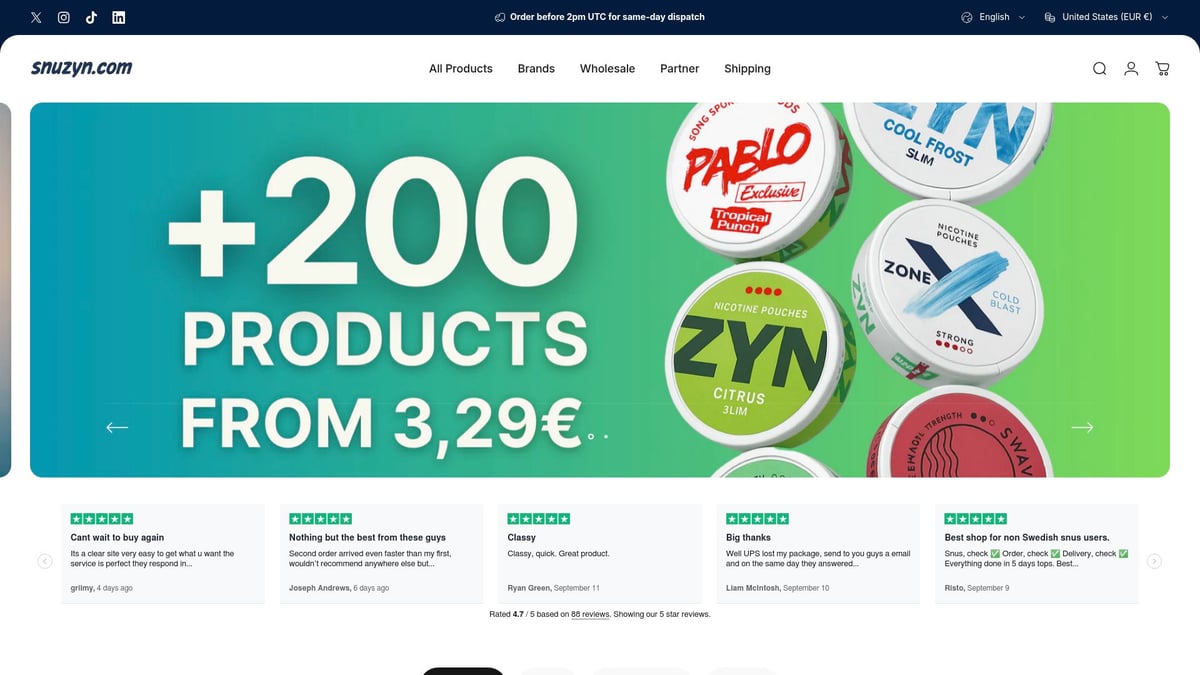
Snuzyn emphasizes health-consciousness, with smoke-free, odorless options that are discreet and convenient. Customers benefit from fast global shipping, competitive pricing, and the ability to shop by specific strength or flavor. Whether you are exploring new zyn levels or searching for unique blends, Snuzyn provides a tailored experience for every preference.
The Future of Zyn Levels and Nicotine Pouches: Trends for 2025 and Beyond
The landscape of zyn levels is evolving rapidly as nicotine pouch technology and consumer preferences continue to shift. Looking ahead to 2025, users can expect new developments that will shape how they select, use, and benefit from nicotine pouches. Each trend below highlights how the industry is responding to demand, regulation, and innovation.
Innovations in Nicotine Pouch Technology
Technology is dramatically changing zyn levels and the nicotine pouch experience. Manufacturers are investing in advanced pouch materials to enhance comfort and improve nicotine absorption. For example, some companies are developing patented slow-release technology that provides a more consistent and controlled delivery of nicotine.
New flavor delivery systems are also emerging, allowing for a more authentic taste with each zyn levels option. These innovations not only improve user satisfaction but also cater to those seeking a tailored and predictable experience. Expect breakthroughs that make nicotine usage smoother and more customizable.
Predicted Changes in Zyn Level Offerings
By 2025, zyn levels are expected to diversify further. Industry experts predict new strengths will be introduced, including ultra-low and micro-dose options, to meet the needs of users who want more precise control over their intake. Customizable pouches, where users can select their own nicotine content, are on the horizon as well.
These changes reflect a growing awareness of individual preferences and health considerations. As the market matures, zyn levels will likely become even more transparent and user-centric, making it easier for consumers to find the right fit for their lifestyle.
Shifting Consumer Preferences and Market Growth
Consumer interest in zyn levels is fueling rapid growth in the nicotine pouch sector. Many users are seeking lower or more varied strengths, reflecting a trend toward moderation and harm reduction. The demand for ultra-low nicotine pouches is especially notable among those transitioning from smoking or vaping.
According to recent projections, the nicotine pouch market is set for significant expansion through 2030. For more details on industry growth and trends, see the Nicotine Pouches Market Size and Forecast. This growth will drive manufacturers to innovate and expand their zyn levels offerings to meet evolving consumer needs.
Regulatory and Health Advocacy Developments
Regulation will play a critical role in shaping the future of zyn levels. In 2025, both the FDA and EU authorities are expected to introduce new guidelines that may impact permissible nicotine strengths, packaging, and marketing practices. Health advocacy groups are also increasing pressure on the industry to promote safe use and transparent labeling.
These developments will likely lead to clearer information on zyn levels, more robust safety warnings, and potential restrictions on high-strength products. Staying informed about regulatory changes ensures users can make safe and compliant choices.
Sustainability and Environmental Impact
Sustainability is becoming a priority in the nicotine pouch industry. Companies are investing in eco-friendly packaging, such as biodegradable canisters and recyclable materials, to minimize environmental impact. Some are also developing biodegradable pouch membranes that break down more quickly after disposal.
Zyn levels will be featured on packaging designed to be both informative and environmentally conscious. As sustainability becomes a core brand value, users can expect more responsible options that align with their health and environmental priorities.
Global Expansion and Accessibility
The global reach of zyn levels is expanding as new markets open up in Asia, Africa, and South America. Brands are localizing flavors and strengths to cater to diverse preferences, making nicotine pouches more accessible to a wider audience.
However, challenges remain, including navigating regulatory differences and ensuring product quality across borders. Despite these hurdles, the future of zyn levels is one of increased accessibility, with more choices and tailored solutions for users worldwide.


Share: